
Peak Oil is You

Donate Bitcoins ;-) or Paypal :-)


Peak Oil News and Message Boards
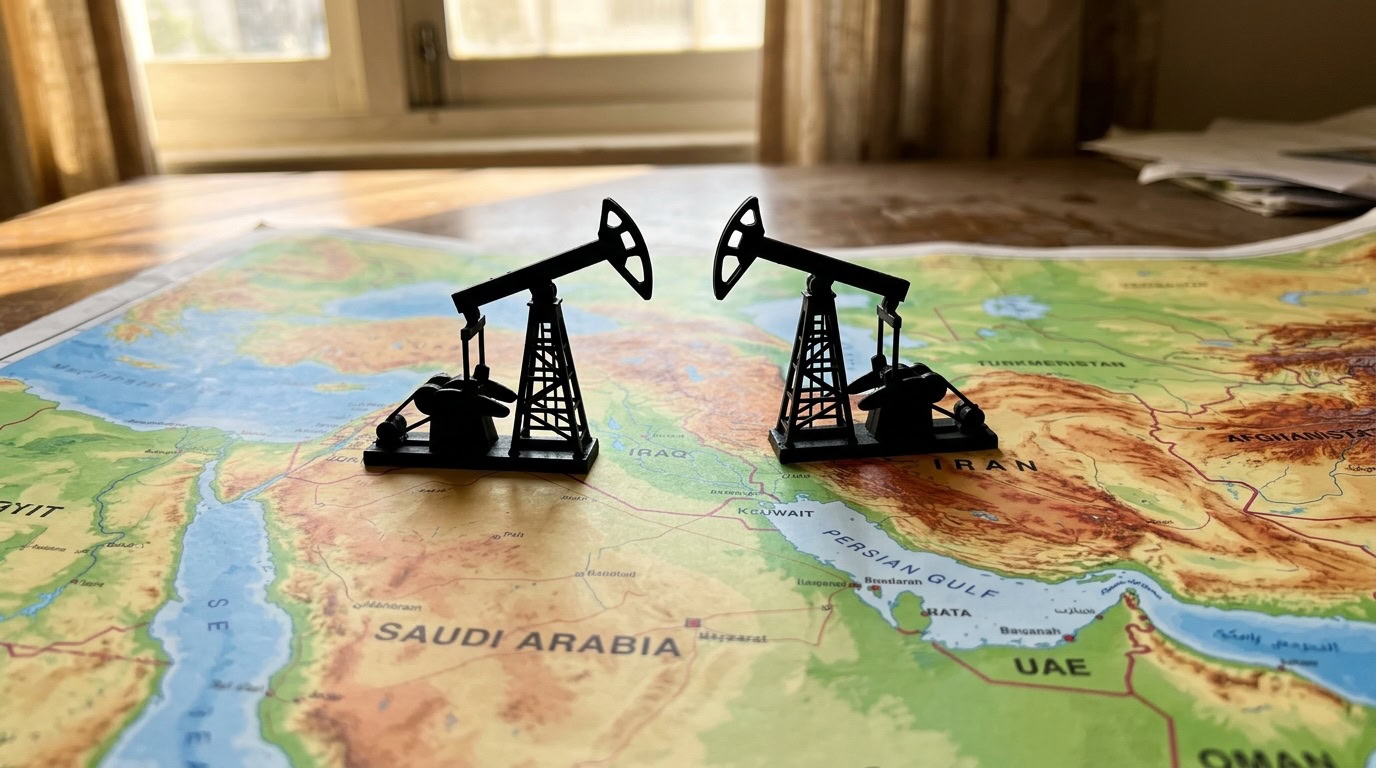
Is the Countdown to $150 Oil On as the Iran War Drags?
With a brutal semiconductor sell-off weighing heavily on the tech sector and the broader stock markets on Friday, as investors ponder the latest hotter-than-expected jobs print, perhaps a major risk is being overlooked: the situation in Iran and its impact on oil prices. Undoubtedly, the stock market has already seemingly paid its dues, with the S&P 500 pretty much sinking into a correction earlier in the year as the war unfolded. And while it did not take much for the S&P 500 to shrug things off and move on despite oil prices staying alarmingly high (it's at around $90 per barrel today), I certainly wouldn't dismiss the risk, especially if hopes of a peace deal begin to diminish along with the emergency reserve stockpile. The case for worrying about the Iran war again? Indeed, it's good to be hopeful that peace talks will get ...

Impact of the Iran Conflict and Rising Oil Prices on the Supply Chain Sector
The war with Iran has effectively closed the Strait of Hormuz and forced producers in the Gulf region to begin shutting down oil and gas production, actions that cannot be quickly reversed. Given that approximately 20% of the world's oil production must travel through the Strait of Hormuz in order to reach businesses and consumers, it is likely that this disruption will be significant, and last for weeks or months, depending on the duration of hostilities and the time it takes to reestablish production and a working supply chain once the war is over. The supply chain sector has significant exposure to the petroleum markets given the transportation required to move goods throughout the supply chain and the materials required in global trade. In addition to oil and gas, Gulf states also export a range of products critical to support global supply ...
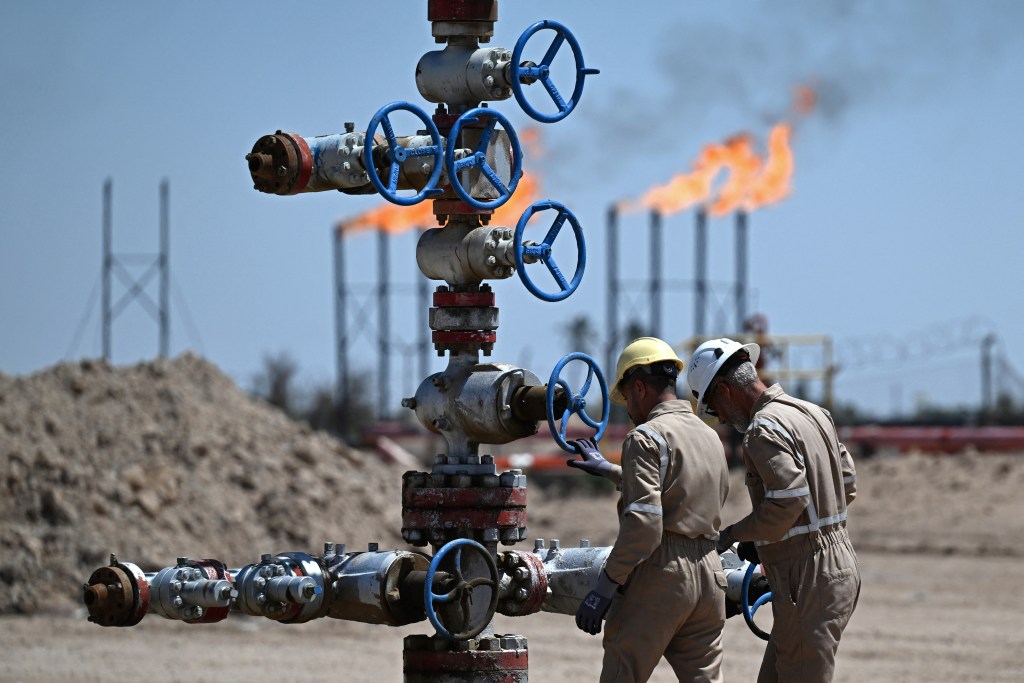
From chokepoint to crisis: The Strait of Hormuz and global oil markets
The war in Iran has caused the largest disruption in the history of the oil market, and Iranian threats to shipping through the Strait of Hormuz have brought tanker transits far below their usual levels. Despite the United States being the largest oil producer in the world, it is still exposed to the same price shocks as elsewhere because oil is a globally traded and largely fungible commodity. While oil companies are profiting from higher prices today, this war has created a much more uncertain market environment for future investment. Going from an oil glut prewar to a supply shock now, oil producers in the United States have been slow to increase production so far. There are no short-term policy solutions—besides ending the war—that will alleviate the crisis for consumers at home. The Strait of Hormuz, the only entrance to the ...

Oil Supertanker Orders Eclipse Record Set in 2008
Shipowners have ordered a record 262 supertankers, surpassing the 2008 peak as strong earnings during the Iran war drove a surge in newbuild demand. The boom reflects elevated freight rates, aging fleets and high secondhand prices, though executives warn excessive ordering could trigger a repeat of the post-2008 downturn. Industry participants said sustained Strait of Hormuz disruptions or weaker demand could erode earnings, while new vessels may add oversupply risks in coming years. The world's shipowners have placed orders for a record number of new oil supertankers, surpassing a boom back in 2008 that ultimately led to a glut and a collapse in rates. There are currently 262 supertankers, each capable of hauling 2 million barrels of crude oil, on order at shipyards around the world, according to Clarkson Research Services Ltd., a unit of the world's largest shipbroker. The number, which would be ...

What Could Cause Oil Prices to Spike?
There's a big push currently for oil prices to rise. The main rationale is that - after three months of conflict - inventories of crude and other fuels are getting run down, so it's now that the supply shock is going to really hit. Inventory depletion is a serious issue, which is why Ben Harris and I wrote a recent post on it. But this isn't - by itself - a good rationale for oil prices to make new highs. Any forecast for oil prices has to start from the fact that they're up 60 percent so far this year, based on the Brent August future, which is the current front-month contract. Oil bulls have for some time made the case that this rise is too small and that markets are being complacent. Lately, they've hung their hat on inventory depletion, ...

Philippines Taps Japan to Help Build Oil Reserve
Japan has agreed to help the Philippines establish a government-owned oil stockpile, while Manila is also pushing for a Southeast Asian reserve as ASEAN chair this year. "As part of this commitment, Japan's Ministry of Economy, Trade and Industry and the DOE agreed to advance cooperation under the Partnership for Wider Energy and Resources Resilience in Asia, focusing on the development of national stockpiling systems and the development of an ASEAN-wide joint stockpiling framework", the Philippine Department of Energy (DOE) said in an online statement. "The goal is simple: to ensure that the Philippines has sufficient fuel supply to withstand disruptions in the global market and to protect our economy, industries, and households from external shocks," DOE Secretary Sharon S. Garin said. On March 24 President Ferdinand Marcos Jr declared a one-year state of national energy emergency, citing "an imminent danger of a ...
Higher energy prices due to the Middle East war would slow economic growth globally
This year's Middle East war has driven up energy prices, disrupting economic activity around the world. If these effects persist for a year, they will slow global growth, hurting emerging economies more than advanced economies, according to a new PIIE Working Paper, "Global economic implications of the 2026 Middle East war." In this scenario, 2026 GDP would be lower than otherwise and inflation higher in most economies, but the effects would be spread unevenly: Countries more dependent on Middle Eastern oil, natural gas, and fertilizers would experience the largest hits to GDP. In emerging markets particularly, higher fertilizer costs reduce agricultural production, which accounts for a larger share of their economies. These conclusions result from a scenario in which oil prices surge for one year to around $120 per barrel, and prices double for liquefied natural gas and rise 75 percent ...

Oil Rebounds on Fresh Middle East Supply Risk Pricing
In a market analysis sent to Rigzone on Monday, Naeem Aslam, CIO at Zaye Capital Markets (ZCM), highlighted that Brent and West Texas Intermediate oil was up today "as oil rebounds on fresh Middle East supply risk pricing". Aslam outlined in the analysis that ZCM sees today's oil price move "as a geopolitical premium rather than a clean demand rally". "Oil is rising because traders are still pricing uncertainty around the Strait of Hormuz, supply routes, tanker movement, insurance costs, and the risk that military pressure interrupts physical barrels, even while some political comments suggest de-escalation," he added. Aslam noted in the analysis that U.S. President Donald Trump's comments are pulling oil in two directions and warned that traders are not pricing peace yet, "they are pricing fragile de-escalation". The ZCM representative went on to highlight that recent economic data is also shaping oil ...
Oil Prices Rise Over $4 After Israel Strikes Lebanon and Iran Petrochemical Plant
Oil prices jumped more than $4 on Monday, with investors spooked by fresh Israeli strikes on Iran as well as renewed attacks on Lebanon a day earlier. Brent crude futures rose $4.42 or 4.47% to $97.15 a barrel as of 0609 GMT, while U.S. crude futures were up $4.07 or 4.50% at $94.61 per barrel. Israel said on Monday it hit a petrochemical plant in Iran's southwest, along with strikes elsewhere on military targets. That's despite U.S. President Donald Trump reportedly telling Israeli Prime Minister Benjamin Netanyahu to refrain from further attacks. In the first hit on an energy site inside Iran since the April 8 ceasefire, Israel said it struck targets at the Mahshahr petrochemical complex. A provincial official told Iran's semi-official Fars news agency parts of the plant were damaged. Hopes are now eroding for an imminent end to the wider war ...
Israel Fires Back at Iran after Missile Attacks
Israel said it struck several military targets in Iran, retaliating against missile attacks by Tehran despite President Donald Trump's call for Prime Minister Benjamin Netanyahu to refrain from hitting back. The Israel Defense Forces said it struck targets in western and central Iran, with Iranian state media reporting multiple explosions in Tehran. A US official said the Israel strikes were "relatively limited" in their scope, Axios reported. The IDF said earlier it had identified and intercepted missiles fired from Iran, adding that emergency services reported no casualties. The exchange is one of the most serious tests of a ceasefire that took effect on April 8 to halt fighting involving the US, Israel and Iran. It comes as the US and Iran appear to be making little progress toward an interim agreement to end the war, even as Trump has repeatedly said a deal ...
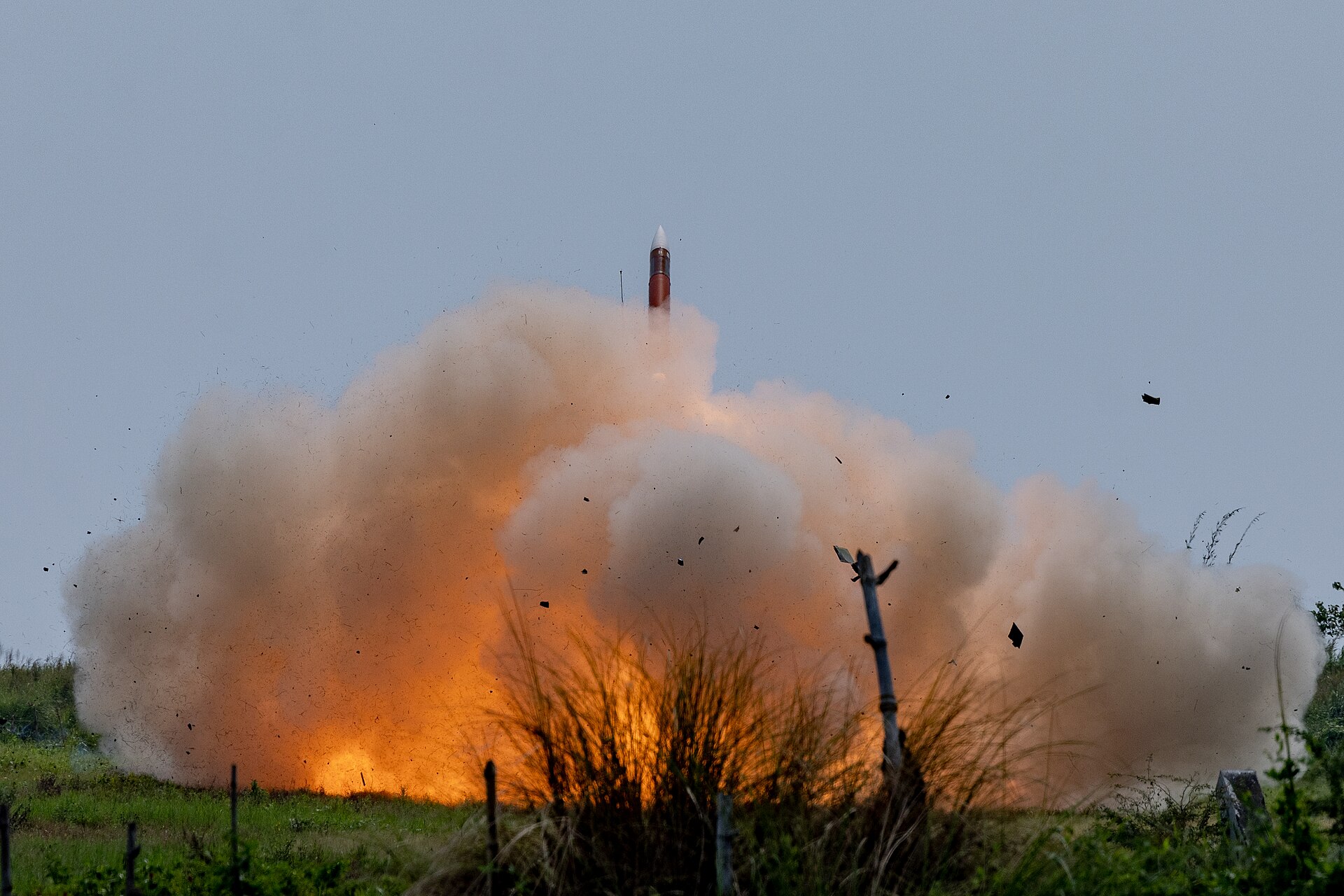 GCC Patriot Interceptors Near-Zero on Day 100 Iran War
Every GCC country operating Patriot air defense — Saudi Arabia, Qatar, the UAE, and ...
 Oil revenue at risk as Nigeria loses 5 rigs in 1 month
Nigeria's oil revenue outlook is facing fresh uncertainty following a sharp decline in drilling ...
 OPEC+ Agrees to 188,000 b/d July Target Hike — But Production Remains 8.5 Million b/d Below Target as Hormuz Stays Shut
The seven core OPEC+ members agreed on Sunday to another modest 188,000 b/d increase ...
Israel says Iran launched a missile at it, in a first during fragile ceasefireJERUSALEM (AP) — Israel said Sunday that Iran has launched missiles at it in ...




Oil News Categories
Recent Board Topics
Archive
Member Comments
- on Did we inadvertently speed global warming?
- on Israel says Iran launched a missile at it, in a first during fragile ceasefire
- on More than 20% of global refining capacity at risk of closure
- on Oil Strategists Look at USA Oil Production
- on Trump may not be a fan of clean energy but Iran war is accelerating global shift from oil and gas
- on Kunstler: Oh Say Can You See?
- on Oil Strategists Look at USA Oil Production
- on ‘Peak Demand’ Is The New ‘Peak Oil’
- on Fracking the World: Despite Climate Risks, Fracking Is Going Global
- on Fracking the World: Despite Climate Risks, Fracking Is Going Global
- on From Hormuz to Fujairah: Why UAE is central to Gulf’s ‘Plan B’ for oil trade
- on Fracking the World: Despite Climate Risks, Fracking Is Going Global
- on Oil Strategists Look at USA Oil Production
- on Why having more children will save the world
- on The Three Reasons Why Oil Is Staying Below $100 a Barrel
- on Why Russia refuses to ratify Energy Charter
- on Should $20 A Barrel Be The Real Price Of Oil?
- on Analysts Predict Freeport LNG Restart Date
- on Oil Strategists Look at USA Oil Production
- on More than 20% of global refining capacity at risk of closure
PO Real Time
No tweets available